GreenLife score
Most “green home upgrade” lists put solar panels and new windows near the top because they look like progress. On a spreadsheet they’re near the bottom. The upgrades that pay back fastest are the ones nobody photographs: caulk, weatherstripping, a $25 showerhead and a dial on the water heater.
The table below ranks ten common upgrades by simple payback, which is upfront cost divided by yearly saving. It’s a blunt measure, since it ignores comfort, resale value and rising energy prices, but it’s the right first filter.
| Upgrade | Upfront cost | Yearly saving | Payback |
|---|---|---|---|
| Air sealing (DIY) Our pick | $50–$200 | $80–$200 | Under 1 year |
| Water heater to 120°F | $0 | $20–$60 | Immediate |
| Low-flow showerhead | $20–$50 | $40–$70 | Under 1 year |
| LED bulbs in the 10 most-used fixtures | $25–$40 | $60–$100 | Under 1 year |
| Smart thermostat | $100–$250 | $50–$100 | 1–4 years |
| Attic insulation to R-49 | $1,500–$3,500 | $150–$400 | 4–10 years |
| Heat pump water heater (replacing electric) | $1,800–$4,000 | $300–$550 | 4–8 years |
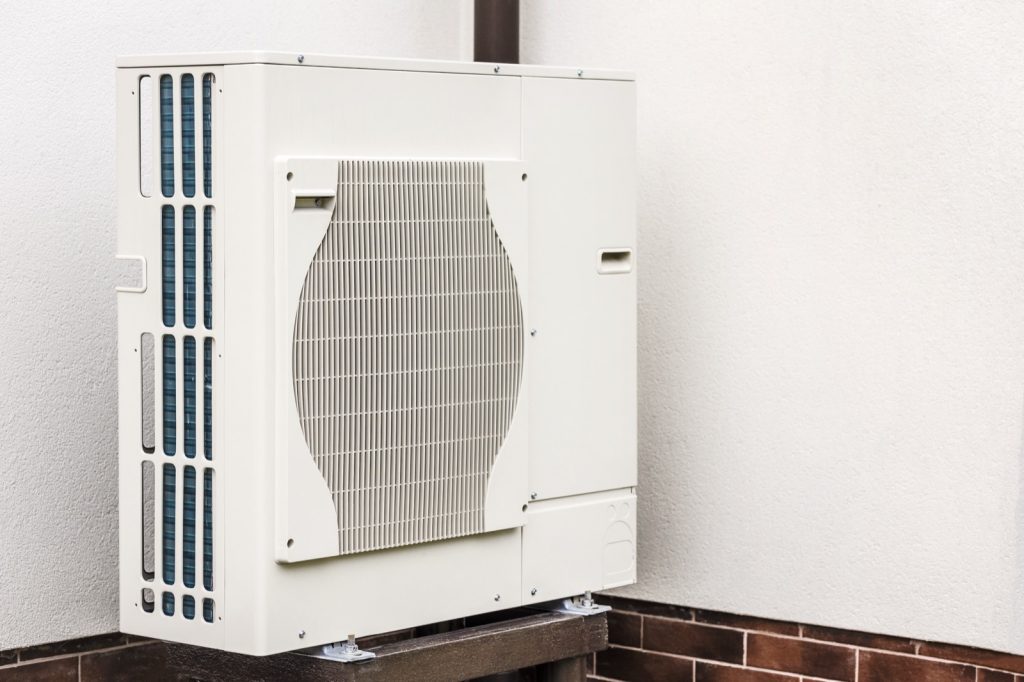
| Heat pump (replacing propane, oil or baseboard) | $9,000–$18,000 | $800–$2,000 | 6–15 years |
| Solar panels | $15,000–$25,000 | $900–$2,000 | 7–20+ years |
| New windows | $600–$1,200 each | $100–$500 for the house | 20–40 years |
Typical US costs in 2026, before rebates. Savings assume the 1,800 sq ft house described under the score box.
Start with one afternoon and $300
Four jobs, no contractor, and together they usually save more than a smart thermostat and new windows combined.
-
Find the leaks
On a cold, windy day, run a damp hand or a lit incense stick along window frames, door edges, outlet covers on outside walls, the attic hatch and where pipes enter the house. Anywhere the smoke flutters is a leak.
-
Seal them
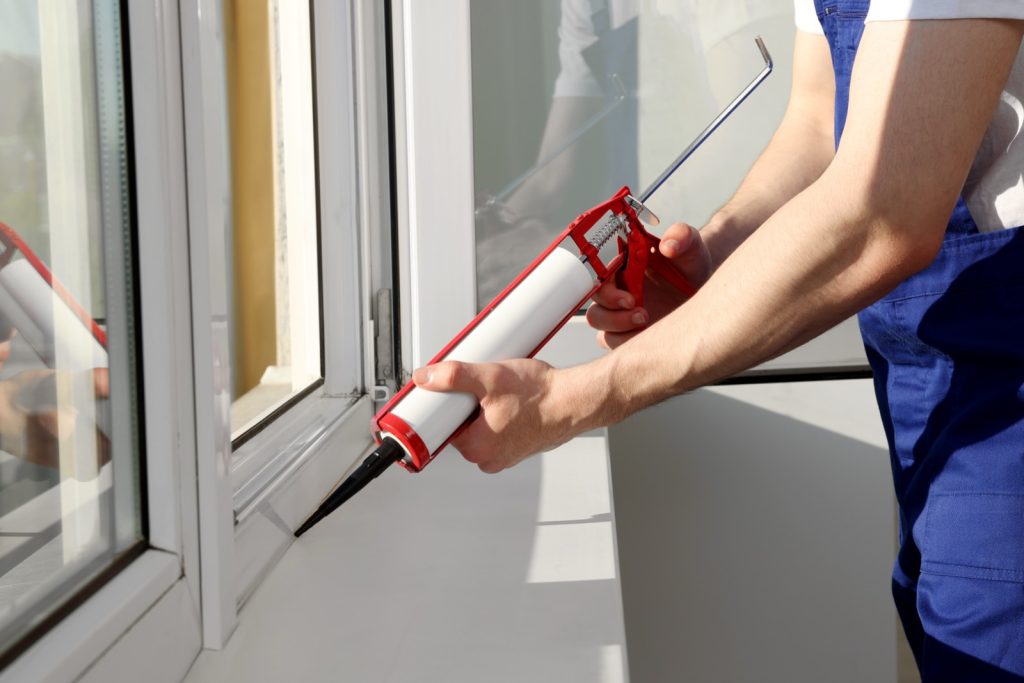
Caulk fixed gaps under 1/4 inch, use spray foam for larger ones around pipes, add foam gaskets behind outlet covers, and replace flattened weatherstripping on doors. A door sweep costs $10–$20.
-
Turn the water heater down
Most tanks ship set to 140°F. 120°F is hot enough for showers and dishes and cuts standby losses. The Department of Energy puts the saving at 4–22% of water-heating cost.
-
Swap the showerhead
A WaterSense model uses 2.0 gallons a minute or less instead of 2.5. The EPA estimates a family saves about 2,700 gallons and 330 kWh of water-heating energy a year.
If you still have incandescent or halogen bulbs in the kitchen, living room and porch fixtures, replace those too. A 9-watt LED gives the same light as a 60-watt bulb. Run three hours a day at 17¢ a kWh, each swap saves about $9 a year, and the bulb costs $2.
- 15%
- average cut in heating and cooling bills from air sealing plus attic insulation
- 8%
- typical heating and cooling saving from an ENERGY STAR smart thermostat
- 330 kWh
- water-heating energy a low-flow showerhead saves a family each year
Sources: ENERGY STAR and the US Department of Energy; average US residential electricity price 2026.
Then insulate the attic
If you can see the tops of the attic joists, you have 6 inches of insulation or less, about R-19. Most of the country should be at R-49 or more, which is 14 to 18 inches of blown cellulose or fiberglass. A contractor charges $1,500 to $3,500 for a typical attic; doing it yourself with a borrowed blower costs $700 to $1,200 in material and one very dusty day.
Seal the attic floor before you insulate it. Insulation slows heat but doesn’t stop air, and the gaps around ceiling lights, plumbing vents and the hatch can undo a third of the benefit.
Big-ticket upgrades, at the right moment
A heat pump water heater, a heat pump for the whole house and solar panels can all make sense, but the payback depends on what they replace and when.
- Heat pump water heater: best when your electric tank is over 10 years old or has already failed. Against an electric tank it saves $300 to $550 a year. Against cheap natural gas the saving is small.
- Whole-house heat pump: a strong case if you heat with propane, oil or electric baseboard, or when your AC is due for replacement anyway. Against a working gas furnace with gas at $1.40 a therm, the running costs are close.
- Solar: depends on your electricity rate, roof and state net-metering rules more than anything else. Get three quotes and run the numbers before you sign anything.
What about new windows?
Replacing single-pane windows with ENERGY STAR double-pane ones saves a typical house $100 to $500 a year, according to ENERGY STAR’s own estimates. At $600 to $1,200 per window installed, that’s a 20- to 40-year payback. Replace windows when they’re rotten, stuck or leaking water, and choose efficient ones when you do. For drafts, $15 window insulation film and new weatherstripping get you most of the comfort gain for a fraction of the cost.
Good
- Cheap jobs pay back inside a year and need no contractor
- Insulation and air sealing make rooms more comfortable, not just cheaper
- Doing the cheap jobs first means a heat pump can be smaller, and cost less
Not so good
- Payback ignores comfort, so a slow-payback upgrade can still be worth it to you
- Savings shrink if the house is already well sealed and insulated
- Big upgrades need quotes and rebate paperwork, which take weeks
How to tell it worked
Compare this winter’s bills with last winter’s for the same months. Most utilities show daily or monthly usage online, and some adjust for weather. A drop of 10 to 20 percent in heating use after sealing and insulating is a normal result. If you see nothing, the leaks were probably somewhere you didn’t look; a professional energy audit with a blower-door test costs $200 to $500, and many utilities subsidize it.
-
What is the single best-value energy upgrade for an older house?
Air sealing followed by attic insulation. Together, ENERGY STAR estimates they cut heating and cooling costs by about 15 percent, and the sealing part costs very little if you do it yourself.
-
Are there still federal tax credits for home energy upgrades in 2026?
No. The federal credits for efficiency upgrades and residential solar ended for work completed after December 31, 2025. Utility rebates and some state programs remain.
-
Is it worth replacing a working furnace with a heat pump?
Usually not on running costs alone if you have cheap natural gas. It makes more sense if you heat with propane, oil or electric resistance, or when your AC needs replacing anyway.
Recommended Books
- Eco House Book
- Building a Sustainable Home: Practical Green Design Choices for Your Health, Wealth, and Soul
- Essential Sustainable Home Design: A Complete Guide to Goals, Options, and the Design Process
- Green from the Ground Up: Sustainable, Healthy, and Energy-Efficient Home Construction
- Your Sustainable Living Household - Practical Steps to a Greener Lifestyle
- DIY Sustainable Home Projects: 80+ Ideas for Sustainable Living